
Soil after soybeans: what really changes before safrinha corn

Harvesting soybeans causes physical, chemical and biological changes to the soil. In March, understanding these changes is fundamental to the success of off-season corn, which will be implemented in an environment already impacted by machines, cultural waste and chemical management. Ignoring this diagnosis is one of the main reasons for failures in the establishment of the off-season. Changes […]
Climate risk management in the soybean harvest: technical decision or emotional decision?
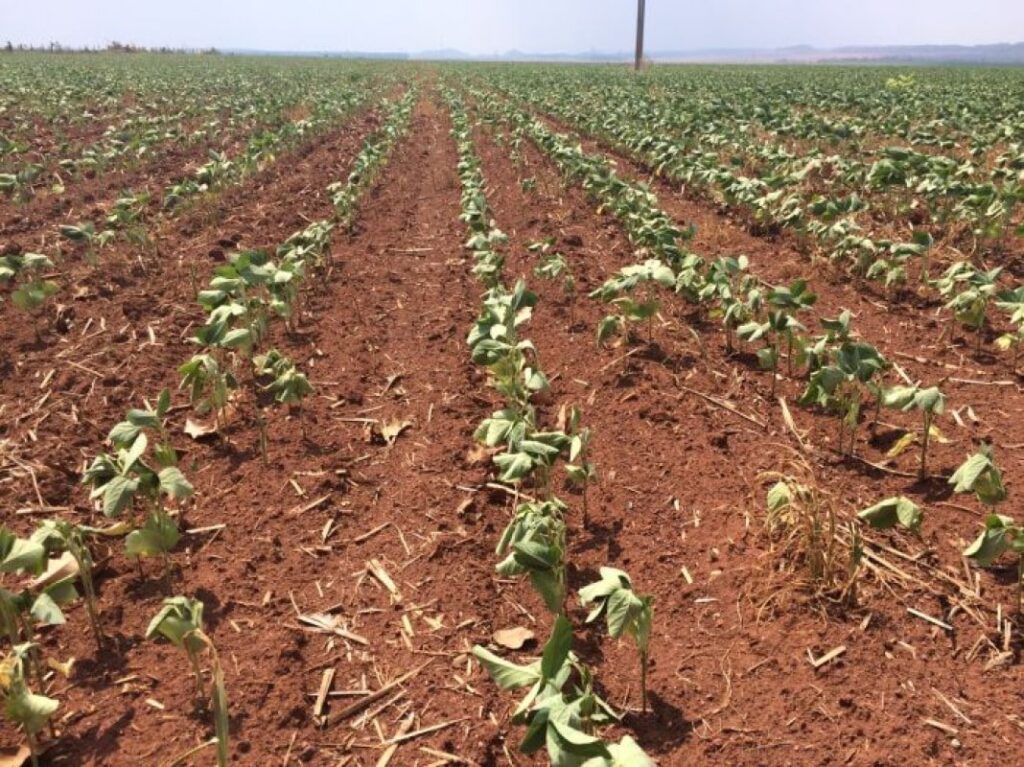
February is also marked by high climate variability in many producing regions. Irregular rains and short harvest windows leave producers faced with difficult decisions, which are often made under pressure. In this scenario, differentiating technical decisions from emotional decisions is essential to minimize risks and protect the harvest result. Climate risk and […]
Grain filling in soybeans: the physiology that defines the final weight of the bag
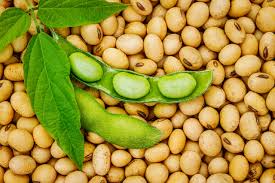
During the month of February, most soybean crops in Brazil are in the final stages of grain filling. Although the productive potential is already largely defined, it is precisely during this period that one of the main components of crop yield is consolidated: the final weight of the grains. It is still common […]
Soybean harvest peak: harvest quickly or harvest well?
February marks, in most of Brazil's producing regions, the peak of the soybean harvest. It is a period characterized by high operational pressure, short weather windows and a large volume of area to be harvested in a short time. In this context, a recurring dilemma arises in the field: harvest as quickly as possible or harvest as best […]
Grain quality at harvest: what defines discount on the final result

The quality of the harvested grain is one of the main factors that determine the financial result of the soybean harvest. Even highly productive crops can suffer significant marketing discounts when the grain presents damage, inadequate moisture or mechanical damage. These problems rarely arise only at harvest time. In most cases, they are a consequence […]
Soybean harvest: where the biggest field losses occur and how to identify them
The soybean harvest represents the most sensitive moment in the entire production system. It is at this stage that the potential built over months of nutritional, phytosanitary and operational management is converted into economic results. However, it is also at this time that some of the biggest losses in the field occur, often silently […]
Foliar Nutrition in Soybeans: The Key to Overcoming Flower Abortion and Maximizing Productivity
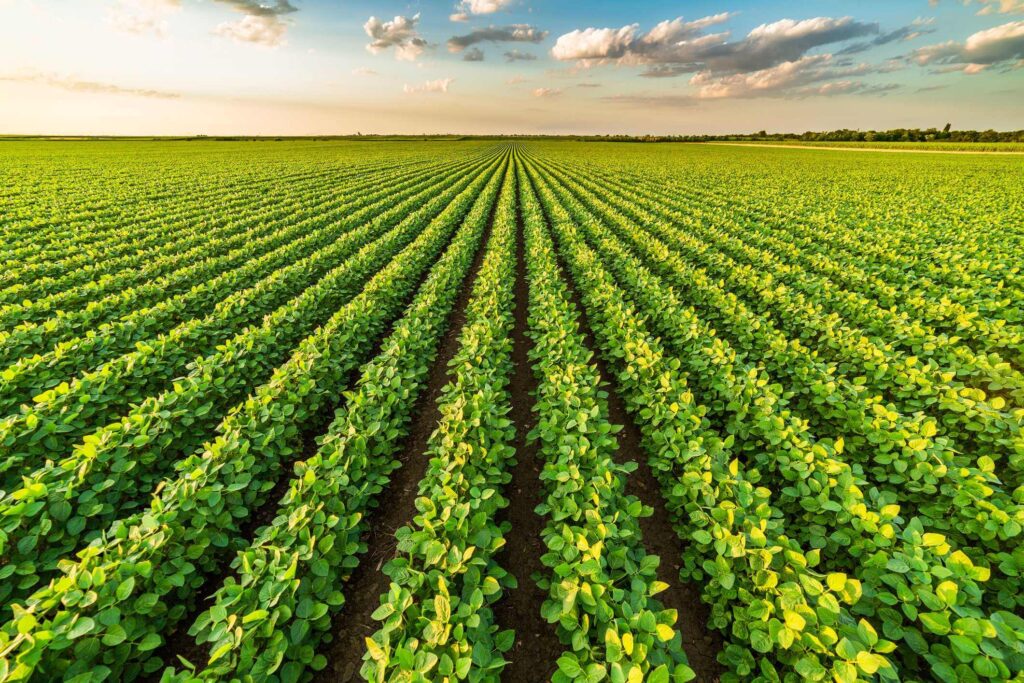
Soy (Glycine max) is, without a doubt, the most important crop in Brazilian agribusiness, being a fundamental pillar for the country's economy and global food security. Brazil stands out as one of the largest soybean producers and exporters in the world, with record harvests boosting the sector. However, the path to […]
Advanced Nutritional Management in Soybeans: Zinc and Boron for High Productivity in the Cerrado
Soybeans (Glycine max) are one of the most important crops for Brazilian agribusiness, playing a crucial role in the economy and in the production of food and feed. Brazil stands out as one of the largest producers and exporters of soy in the world, with vast areas of cultivation, especially in the Cerrado region. However, the […]
Boron in Soybeans: Maximizing Grain Fill and Yield with Boron 10 Route Fertilizer

Soybeans (Glycine max) are, without a doubt, the most strategic crop in Brazilian agribusiness, boosting the economy and ensuring global food security. Brazil stands out as one of the largest soybean producers and exporters in the world, with record harvests that consolidate its leadership position. However, for this productivity to be maintained […]
Climate Challenges and Diseases: The Scenario for the 25/26 Soybean Harvest
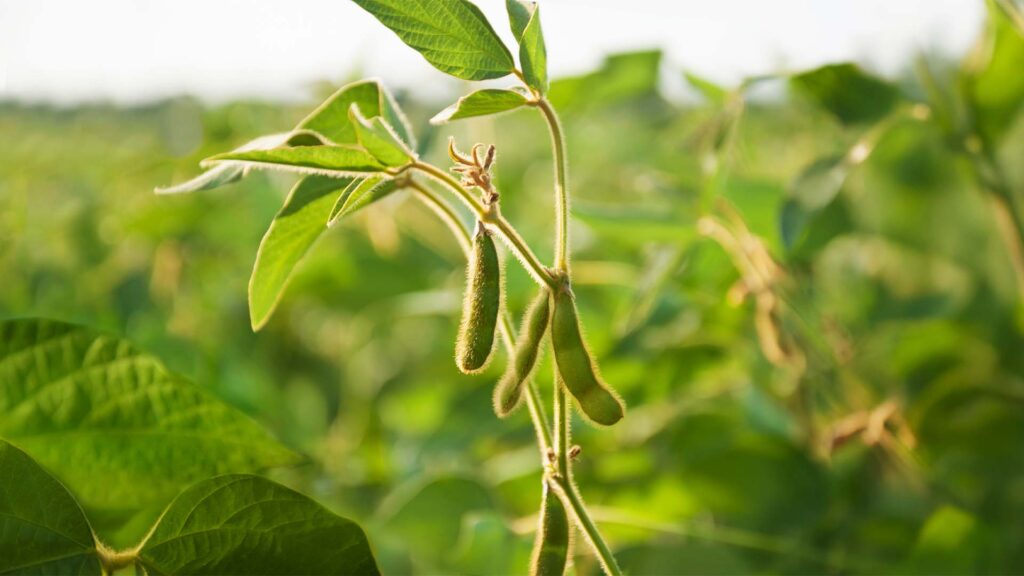
Soy remains the main crop of Brazilian agribusiness, both in terms of cultivated area and economic relevance. However, for the 2025/26 harvest, the sector is already projecting considerable challenges, especially related to irregular weather and increased disease pressure. The scenario requires planning, attention to available technologies and increasingly efficient management. […]