February is also marked by high climate variability in many producing regions. Irregular rains and short harvest windows leave producers faced with difficult decisions, which are often made under pressure.
In this scenario, differentiating technical decisions from emotional decisions is essential to minimize risks and protect the harvest result.
Climate risk and impact on harvest
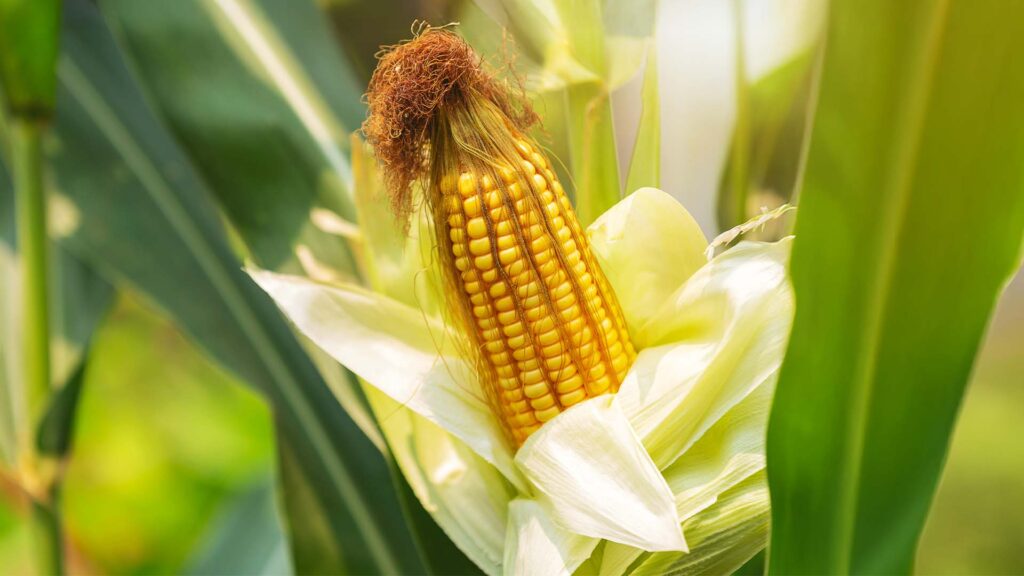
Frequent rains increase the moisture content of the grains, favoring diseases and increasing losses due to spoilage. On the other hand, anticipating the harvest too much can result in immature grains and weight loss.
The ideal decision depends on the assessment of the physiological stage of the crop and the available operational capacity.
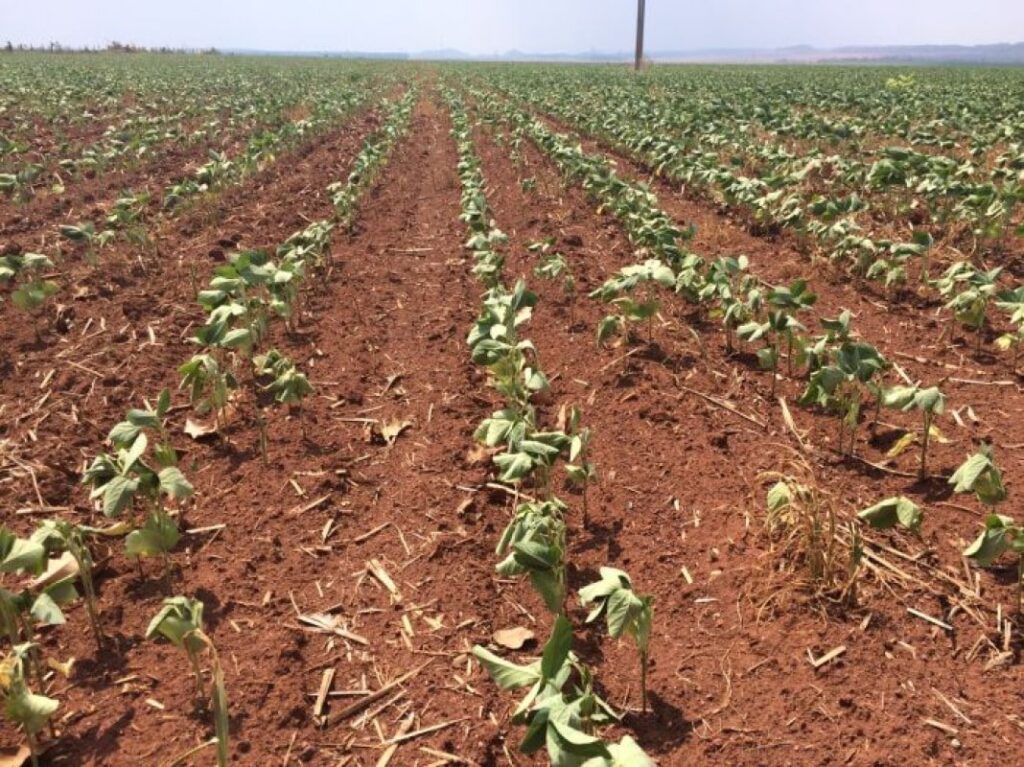
Importance of crop uniformity
Uniform crops offer greater decision flexibility. When maturation is irregular, the producer is hostage to the climate and operational limitations.
This uniformity is built throughout the cycle, with nutritional management and efficient applications.
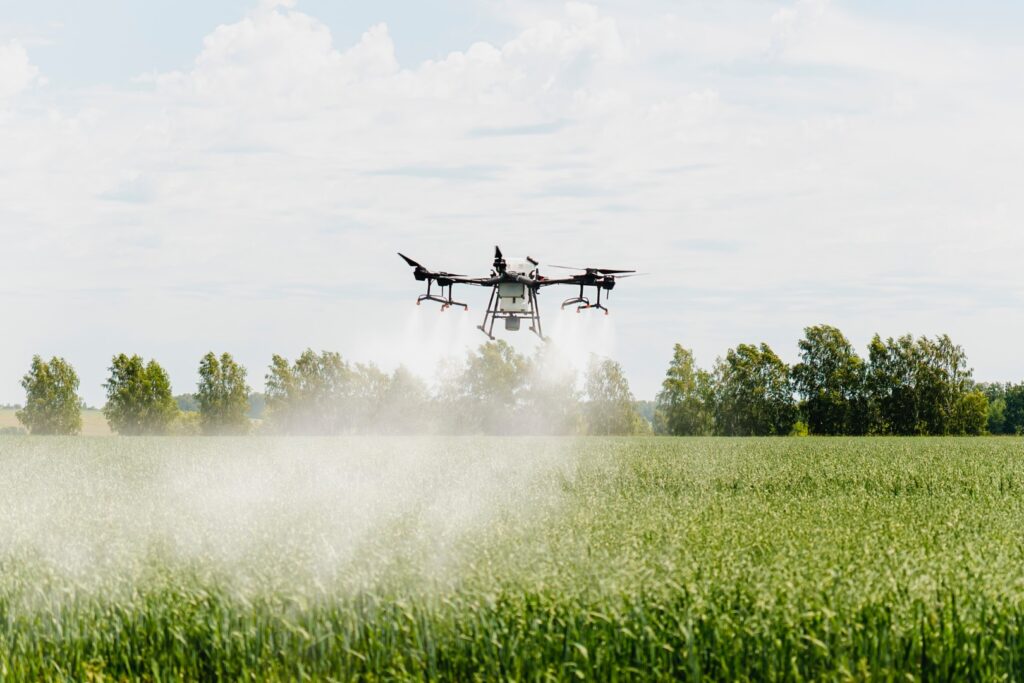
Well-made applications, with the support of adjuvants such as Route-N e Route-VIP, contribute to greater physiological balance of the crop, facilitating decision-making at the time of harvest.
Managing climate risk is part of the production system. Decisions based on technical criteria reduce losses and increase the security of the final result.
👉 Talk to the Route team and strengthen your farm’s risk management.
👉 Make decisions based on technique, not pressure.
References
BRAZILIAN AGRICULTURAL RESEARCH COMPANY. Climate and agricultural production. Brasília: Embrapa, 2020.