The sanitary void is a mandatory phytosanitary measure implemented in Brazil with the aim of controlling Asian soybean rust, a disease caused by the fungus Phakopsora pachyrhizi, considered one of the most devastating for the crop. In the state of Paraná, the second largest soybean producer in the country, sanitary emptiness is strictly monitored, being fundamental for the sustainability of soybean farming in Paraná.
During the period of sanitary void, the cultivation and maintenance of live soybean plants is prohibited throughout the territory of Paraná, with the aim of breaking the life cycle of the fungus that causes Asian rust. This measure is established annually by the Paraná Agricultural Defense Agency (ADAPAR), which defines the prohibition period based on technical and epidemiological studies.
Asian soybean rust was first identified in Brazil in 2001 and, since then, it has caused billions in losses to the national soybean industry. Controlling this disease requires an integrated approach, involving the use of resistant cultivars, application of fungicides and cultural management measures, such as sanitary voids.
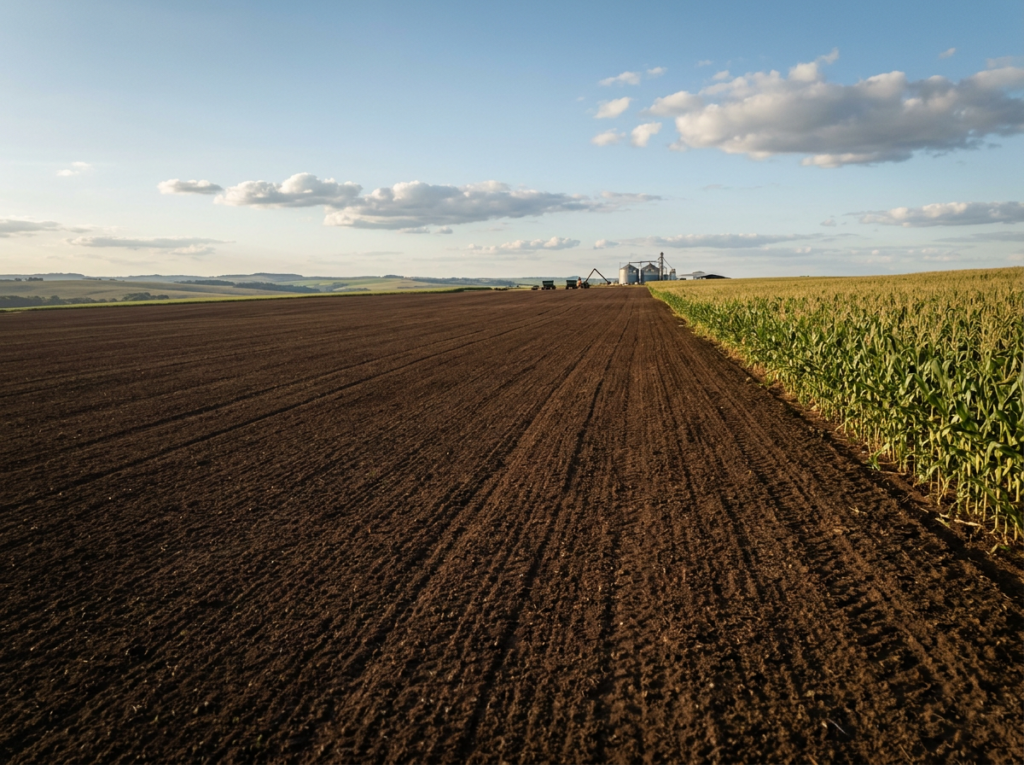
In Paraná, the soybean void is generally established between the months of June and September, a period in which the cultivation of the oilseed is prohibited throughout the state. During this phase, producers must eliminate any volunteer soybean plants on their properties, avoiding the maintenance of the Phakopsora pachyrhizi fungus host.
Compliance with the sanitary void is monitored by ADAPAR, which carries out inspections on rural properties and applies sanctions to producers who fail to comply with the determination. Fines can reach significant amounts, in addition to the possibility of an area embargo and loss of tax and credit benefits.
Asian soybean rust is a polycyclic disease that develops rapidly under favorable temperature and humidity conditions. Symptoms begin with small lesions on the leaves, progressing to pustules that release uredospores responsible for spreading the disease. In severe cases, early defoliation compromises grain filling, drastically reducing crop productivity and potentially causing losses of more than 80% of expected production.
In addition to the direct impact on productivity, Asian rust significantly increases production costs, as it requires multiple applications of fungicides throughout the crop cycle. It is estimated that chemical control of the disease represents between 10% and 15% of the total cost of soybean production in Brazil, placing a considerable burden on rural producers.
The sanitary void also contributes to delaying the emergence of populations of the fungus resistant to the main chemical groups used to control it. Reducing selection pressure during the period of host absence makes it possible to preserve the effectiveness of fungicidal molecules available on the market, ensuring long-term disease management sustainability.
Another relevant aspect refers to the monitoring and scientific research carried out during the period of sanitary emptiness. Institutions such as Embrapa Soja, based in Londrina-PR, are taking advantage of this window to study the epidemiology of Asian rust, develop new resistant cultivars and evaluate the effectiveness of innovative fungicidal molecules.
Raising awareness among rural producers about the importance of sanitary emptiness is fundamental to the success of this measure. Cooperatives, rural unions and rural extension bodies play an essential role in disseminating standards and providing technical guidance to soybean farmers in Paraná, promoting voluntary adherence and strict compliance with current legislation.
Route Chemicals, aware of the challenges faced by soybean farmers in Paraná in managing Asian rust and adapting to the sanitary void, offers a complete portfolio of technological solutions aimed at the health of soybean crops. With products formulated based on advanced research, the company contributes significantly to the sustainability and productivity of soybean farming in the state.
Among the solutions made available by Route Chemicals, systemic and protective fungicides stand out, developed to efficiently control the Phakopsora pachyrhizi fungus and other foliar diseases that affect soybean crops. The formulations rely on differentiated technology, providing greater foliar adherence, rapid absorption and efficient translocation in the plant.
In addition to fungicides, Route Chemicals offers specific desiccants to assist producers in eliminating volunteer soybean plants during the sanitary void, ensuring compliance with phytosanitary legislation. These products act quickly and effectively, eliminating the fungus host and contributing to breaking the Asian rust cycle.
The company also provides adjuvants and foliar fertilizers that enhance the action of fungicides, improving the deposition, spreading and penetration of spray solutions. These auxiliary technologies are fundamental to maximizing the efficiency of chemical control, especially in adverse application conditions.
Route Chemicals' specialized technical support represents an important differentiator for soybean farmers in Paraná. The company's team of agronomists accompanies producers in the field, offering personalized management recommendations, guidance on the correct use of products and training on the best agricultural practices for controlling Asian rust.
The sanitary void in Paraná is an indispensable tool for the health of Brazilian soybean farming, contributing significantly to the control of Asian rust and to the economic sustainability of the activity. Strict compliance with this phytosanitary measure, combined with the use of modern technologies and integrated management practices, is essential to guarantee the competitiveness of Paraná's agribusiness on the national and international scene.
The integration between regulatory measures, scientific research, rural extension and advanced agricultural technologies represents the most effective way to face the phytosanitary challenges posed by Asian rust. Companies like Route Chemicals play a strategic role in this process, offering innovative solutions that allow rural producers to achieve high levels of productivity with sustainability and environmental responsibility.
Therefore, respect for the sanitary void, combined with the conscious use of quality agricultural pesticides and specialized technical support, constitutes the basis for maintaining Brazilian leadership in soybean production, benefiting producers, consumers and the national economy as a whole.
References
PARANÁ AGRICULTURAL DEFENSE AGENCY (ADAPAR). Soybean sanitary void in Paraná. Curitiba: ADAPAR, 2023.
EMBRAPA SOJA. Soybean production technologies: management of Asian rust. Londrina: Embrapa Soja, 2022.
GODOY, C. V. et al. Efficiency of fungicides to control Asian soybean rust, Phakopsora pachyrhizi, in the 2022/2023 harvest. Londrina: Embrapa Soja, 2023.
MINISTRY OF AGRICULTURE, LIVESTOCK AND SUPPLY (MAPA). Normative Instruction on the sanitary void of soy. Brasília: MAPA, 2022.
ROUTE CHEMICALS. Technological solutions for soybean health. Available at: https://routechemicals.com.br/noticias/. Accessed in: 2024.
SEIXAS, C. D. S.; GODOY, C. V. Integrated management of Asian soybean rust. Londrina: Embrapa Soja, 2022.
YORINORI, J. T. et al. Asian soybean rust epidemic in Brazil: history and control strategies. Tropical Plant Pathology, vol. 30, no. 1, p. 25-32, 2020.