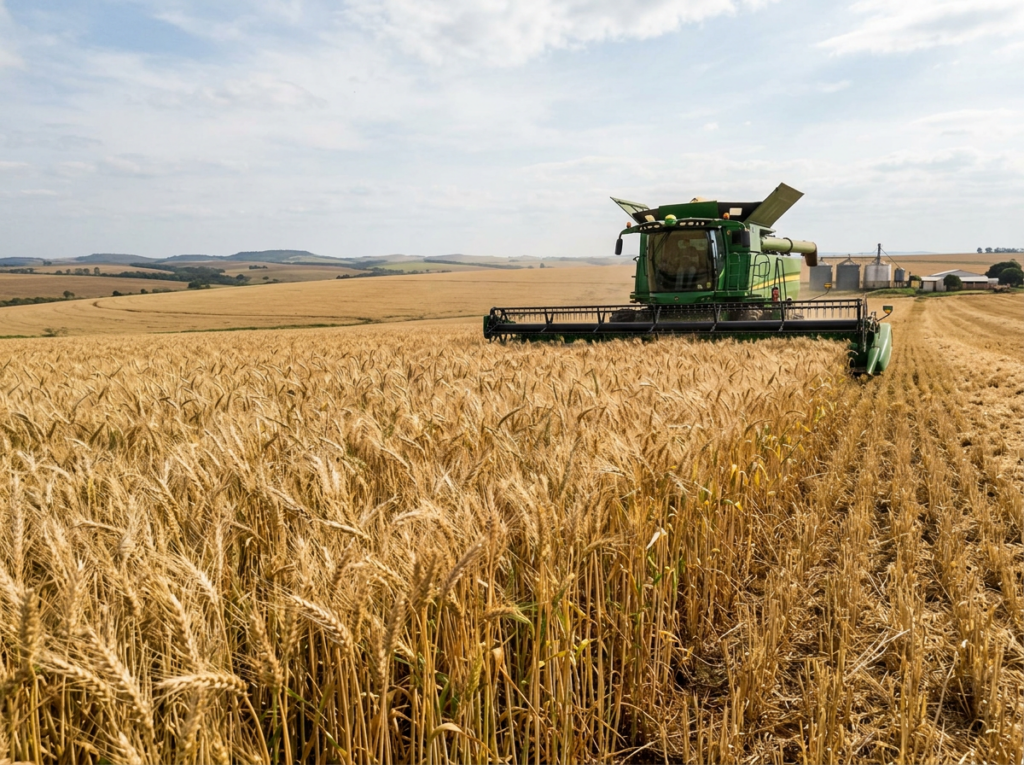
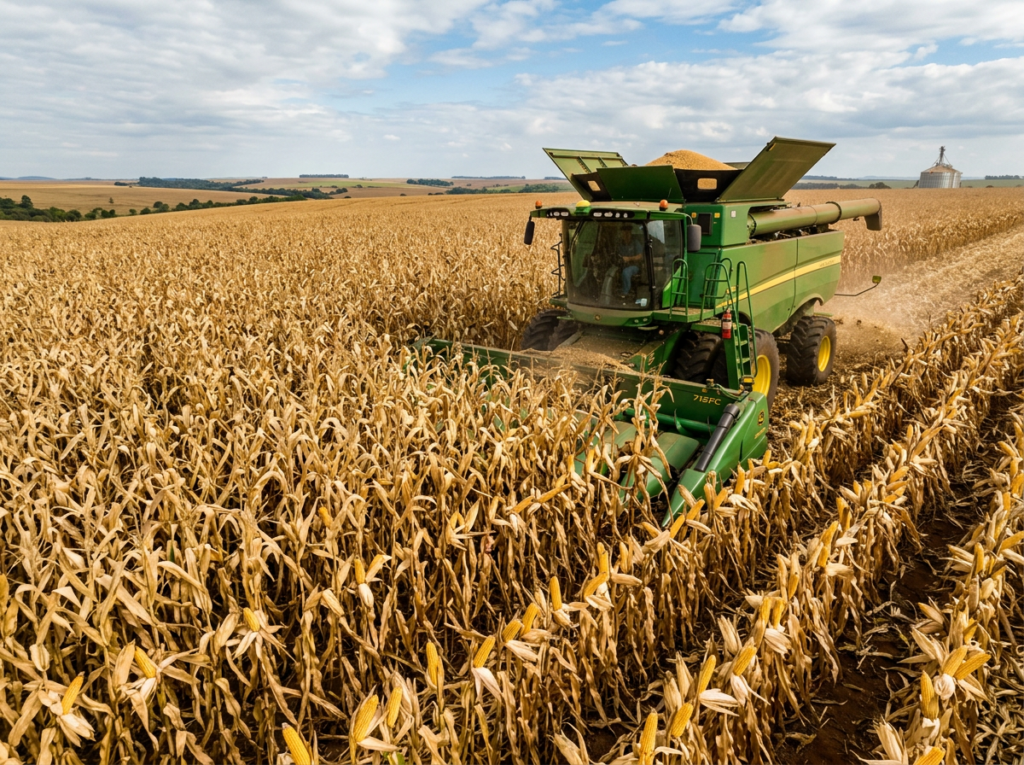
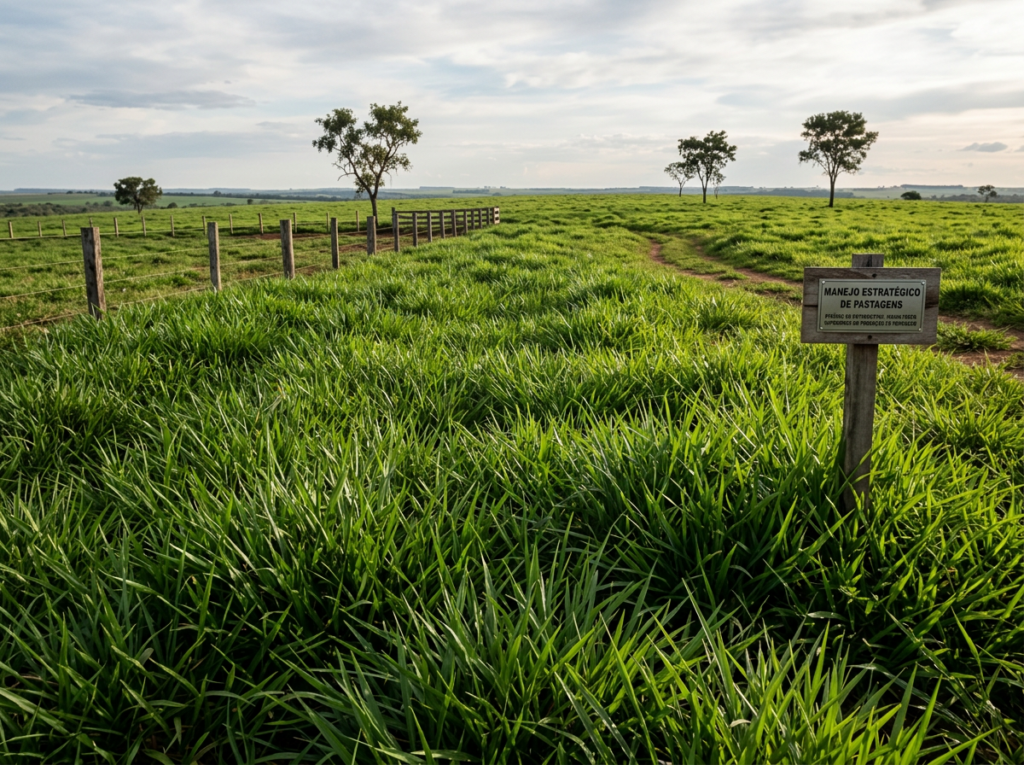
Barley is one of the oldest winter crops cultivated by humanity, being used mainly for the production of malt, an essential raw material for the brewing industry. In Brazil, barley cultivation is concentrated in the southern states, with emphasis on Paraná, Rio Grande do Sul and Santa Catarina, regions that have favorable climatic conditions for the development of the crop.
The demand for brewing barley in Brazil has grown significantly in recent years, driven by the increase in beer consumption and the emergence of craft breweries in several regions of the country. However, national production is still not enough to meet domestic demand, making it necessary to import the product, mainly from Argentina and Uruguay.
Barley cultivation presents specific requirements in terms of grain quality, as the brewing industry establishes strict standards for the acceptance of the raw material. Factors such as protein content, grain size and germination power are decisive for the commercial destination of the production.
Barley is a temperate climate crop, with a production cycle between 100 and 130 days. Planting in Brazil generally occurs between May and July, with harvest between October and November. The choice of cultivars adapted to the growing region is fundamental to the success of the crop, considering aspects such as productivity, industrial quality and disease resistance.
Barley fertilization must be carried out based on soil analysis and the nutritional requirements of the crop. Nitrogen management is especially important, since an excess of this nutrient can increase the protein content of the grains above the limits accepted by the brewing industry, compromising the commercial destination of the production.
The main diseases that affect barley include Fusarium head blight, leaf spot, powdery mildew and rusts. The integrated management of these diseases, using resistant cultivars, crop rotation and application of fungicides, is essential to preserve the productive potential of the crop and guarantee the quality of the grains.
Weed control in barley must be carried out efficiently, using selective herbicides and appropriate cultural practices. The presence of invasive plants compromises the development of the crop and can contaminate production with undesirable seeds, compromising the industrial acceptance of the product.
Route Chemicals offers complete solutions for barley cultivation, contributing to obtaining grains with superior industrial quality. The company's fungicides provide efficient control of the main diseases that affect the crop, ensuring the health of the crop and the preservation of production potential. Route Chemicals' line of selective herbicides ensures effective weed control, without compromising barley development.
Route Chemicals' biostimulants and foliar fertilizers contribute to the nutritional balance of plants, favoring the adequate filling of grains and obtaining products within the standards required by the brewing industry. The company's specialized technical support assists producers in developing customized management programs, considering the particularities of each region and cultivar.
The cultivation of barley in Brazil represents a strategic activity to meet the growing demand of the national brewing industry. Technical challenges related to grain quality, plant health and nutritional management demand integrated and technologically advanced solutions. Route Chemicals positions itself as a partner for barley producers, offering innovative products and specialized technical support for the success of the activity.
References
EMBRAPA. Technical instructions for the production of brewing barley. Passo Fundo: Embrapa Trigo, 2022.
MINELLA, E. Barley breeding in Brazil. Passo Fundo: Embrapa Trigo, 2021.
CONAB. Monitoring the Brazilian grain harvest: barley. Brasília: Conab, 2023.